
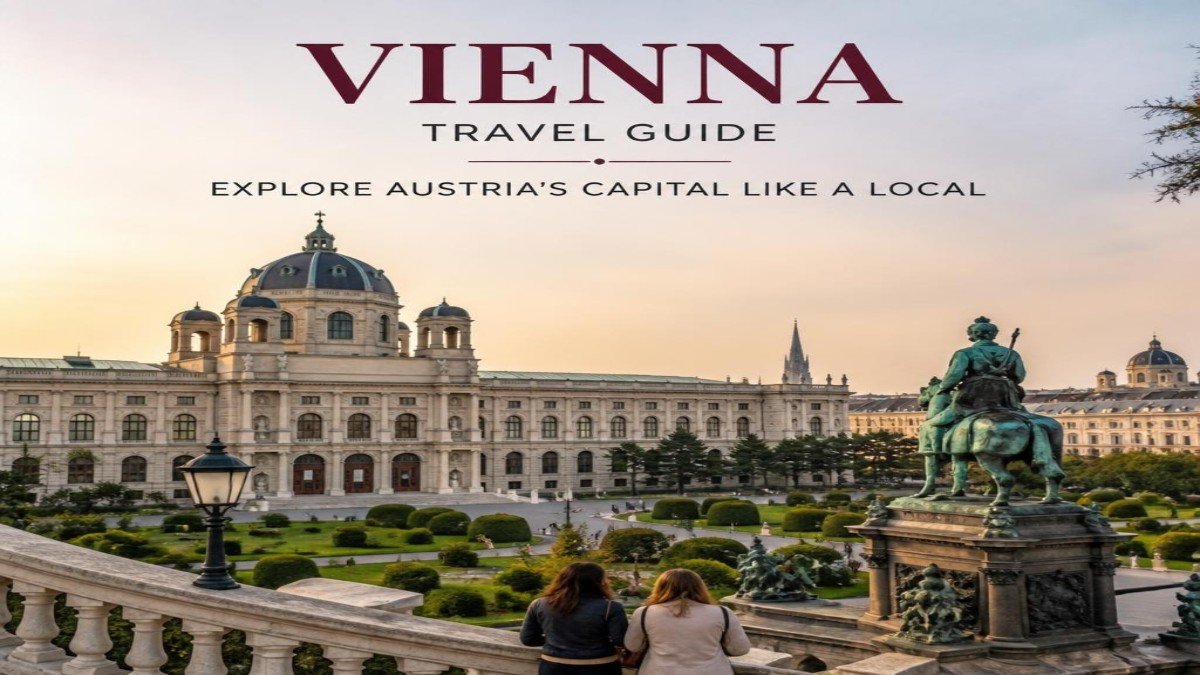
Vienna is a city where impressive history meets everyday European life. You can admire grand palaces in the morning, spend the afternoon in a traditional coffeehouse, and enjoy an evening surrounded by beautiful historic buildings. Austria’s capital is famous for its music, architecture, museums, and relaxed café culture, making it an excellent destination for different types of travelers.
If you’re planning your first visit, deciding what to see and how to get around can feel overwhelming. There are plenty of attractions, but you don’t need to rush from one place to another to enjoy the city. This Vienna travel guide explains when to visit, where to stay, what to explore, which local dishes to try, and how to travel around without a car.
When Is the Best Time to Visit Vienna?
Vienna has something to offer in every season. Your ideal travel dates depend on the weather you enjoy, your budget, and the kind of experience you’re looking for.
Spring (March to May) is a pleasant season for exploring the city. Gardens begin to fill with flowers, outdoor seating returns to cafés, and temperatures gradually become more comfortable. It’s a good time for walking tours and visiting palace gardens without the intense summer crowds.
Summer (June to August) brings longer daylight hours and a lively atmosphere. Parks, outdoor events, and restaurant terraces become popular gathering places. However, this is also a busy travel period. Popular attractions may have longer queues, and accommodation prices can be higher.
Autumn (September to November) is a lovely choice for travelers who prefer cooler weather. The changing colors in Vienna’s parks create beautiful surroundings, while the city remains enjoyable for sightseeing. September and October are particularly suitable for combining outdoor activities with museum visits.
Winter (December to February) gives Vienna a completely different character. December is especially popular because of its Christmas markets, festive decorations, and seasonal food. January and February are generally quieter, but cold weather means you’ll want warm clothing for outdoor sightseeing.
How Long Should You Spend in Vienna?
For most first-time visitors, three or four days is a comfortable amount of time. You can explore the historic center, visit the major palaces, discover a few museums, and enjoy traditional Austrian food without turning every day into a busy schedule.
With two days, concentrate on the central attractions and choose one major palace to explore properly. Three days allow you to add another museum, visit a famous coffeehouse, and spend time in a different neighborhood. A fourth day gives you more flexibility for places such as the Prater or a relaxed day trip.
If you have five or more days, consider exploring destinations outside Vienna. Bratislava and the Wachau Valley are popular choices for travelers who want to see more of the surrounding region.
How to Get to Vienna
Vienna is well connected to other European destinations. Depending on your starting point, you can arrive by plane, train, or long-distance bus.
Arriving by Plane
Vienna International Airport serves the city and receives flights from many international destinations. After landing, you have several ways to reach the city center.
The S7 suburban train is a useful option for travelers looking for a public transport connection. The City Airport Train (CAT) provides a separate direct service, while airport buses connect the airport with selected locations around Vienna.
Choose your transfer based on your accommodation and budget. Before traveling, check the latest departure times, ticket prices, and service information.
Arriving by Train
Train travel is convenient if you’re coming from another European city. Vienna has rail connections with destinations including Budapest, Prague, Munich, and Bratislava.
Wien Hauptbahnhof is the city’s main railway station. From there, you can continue your journey using the metro, trams, or buses. If you’re traveling with luggage, check your hotel’s location before deciding which connection to use.
Arriving by Bus
Long-distance buses can be a budget-friendly alternative to trains. Several operators connect Vienna with cities across Central and Eastern Europe. Travel times vary depending on the route, traffic, and number of stops.
Compare the total journey time and arrival location before booking. A cheaper ticket may not be the most convenient option if the bus station is far from your accommodation.
How to Get Around Vienna Without a Car
You don’t need to rent a car to explore Vienna. The city’s public transport network makes it possible to reach most major attractions without driving.
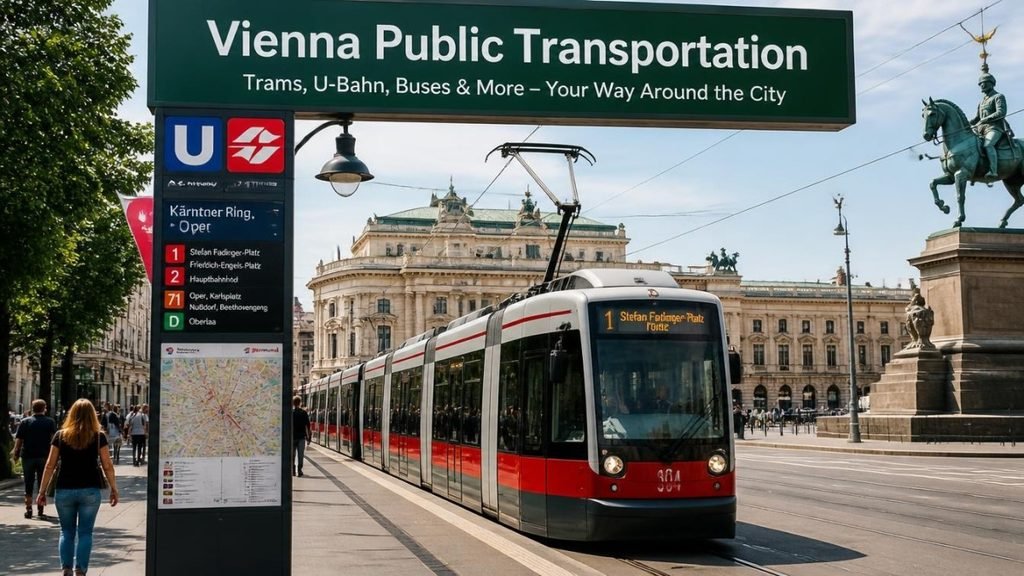
The U-Bahn is the metro system and is particularly useful for longer journeys across the city. Trams are convenient for traveling through central districts and seeing the streets along the way. Buses serve additional routes and connect neighborhoods that may not be directly accessible by metro or tram.
If you plan to use public transport frequently, compare individual tickets with available travel passes. Check the current ticket rules, validity period, and prices before purchasing.
Walking is also an excellent way to discover Vienna. Many central landmarks are relatively close to each other, so you can combine sightseeing with a pleasant walk through historic streets. For example, St. Stephen’s Cathedral, Hofburg Palace, and the Vienna State Opera can all be included in a central sightseeing route.
Where to Stay in Vienna
The neighborhood you choose can affect how much time you spend traveling between attractions. Fortunately, Vienna has several well-connected districts that work well for visitors.
Innere Stadt – Best for First-Time Visitors
Innere Stadt is Vienna’s historic first district. It is home to famous landmarks, elegant streets, traditional cafés, and many popular shopping areas. Staying here makes it easy to explore several attractions on foot.
The main disadvantage is the cost. Hotels in this central district can be more expensive, particularly during busy travel seasons. If convenience is your priority, however, it is a strong option.
Neubau – Best for Cafés and Culture
Neubau has a more relaxed and creative atmosphere. You’ll find independent shops, cafés, restaurants, and easy access to MuseumsQuartier. It’s a good choice if you enjoy exploring local neighborhoods rather than spending all your time around major tourist sights.
Public transport connections also make it convenient to reach other parts of Vienna.
Landstraße – Best for a Quieter Stay
Landstraße offers a more residential atmosphere while remaining close to important attractions. Belvedere Palace is located in this district, and public transport makes traveling into the center straightforward.
It can be a useful area to consider if you want a convenient location without staying directly in the busiest part of the city.
A useful tip: Before booking accommodation, check the distance to the nearest U-Bahn or tram stop. A hotel slightly outside the center can still be convenient if public transport is nearby.
Best Places to Visit in Vienna
Vienna’s attractions range from royal residences and historic churches to art museums and peaceful gardens. You can choose a mixture of famous landmarks and smaller places depending on how much time you have.
Schönbrunn Palace
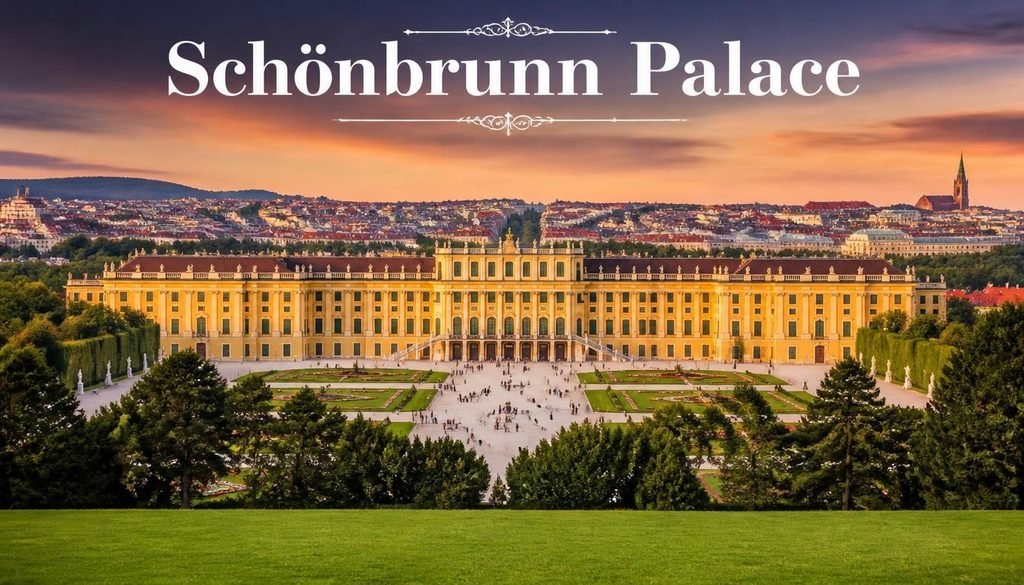
Schönbrunn Palace is one of the most impressive historic buildings in Austria. It once served as the summer residence of the Habsburg royal family and remains one of Vienna’s most visited attractions.
Inside, visitors can discover rooms connected to the city’s imperial history. Outside, the extensive gardens provide plenty of space for walking and enjoying the scenery. The Gloriette is another highlight, offering a beautiful view across the palace grounds.
Give yourself enough time here. The palace and gardens are large, and trying to explore everything in a hurry can make the visit less enjoyable.
Hofburg Palace
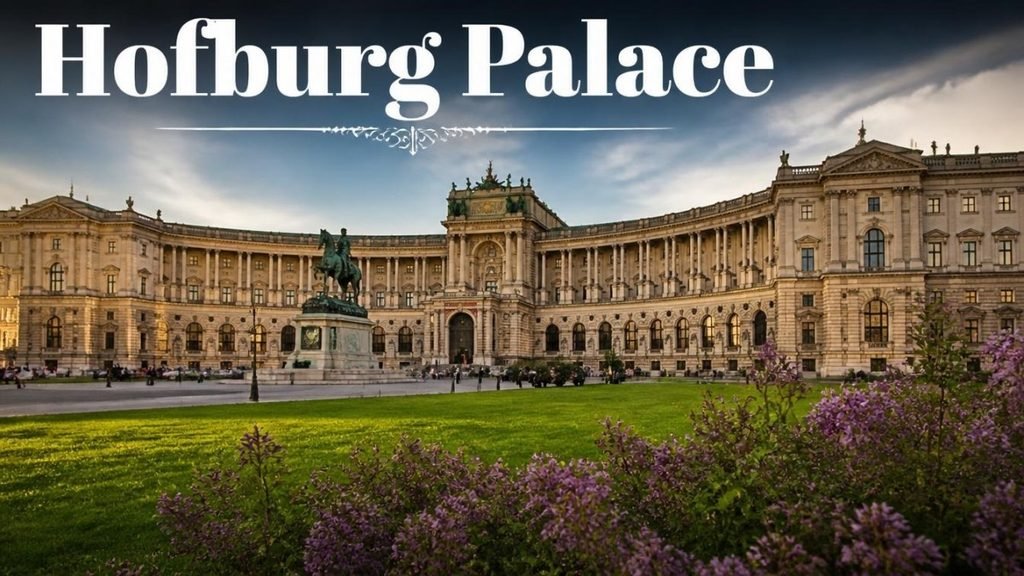
Hofburg Palace was the main winter residence of the Habsburg rulers. Today, its buildings contain museums, historic collections, and important cultural institutions.
The Sisi Museum and Imperial Apartments are popular stops for visitors interested in the lives of Austria’s former imperial family. The Austrian National Library is another highlight, particularly its impressive State Hall.
Because the palace complex contains several attractions, decide which areas interest you before arriving.
St. Stephen’s Cathedral
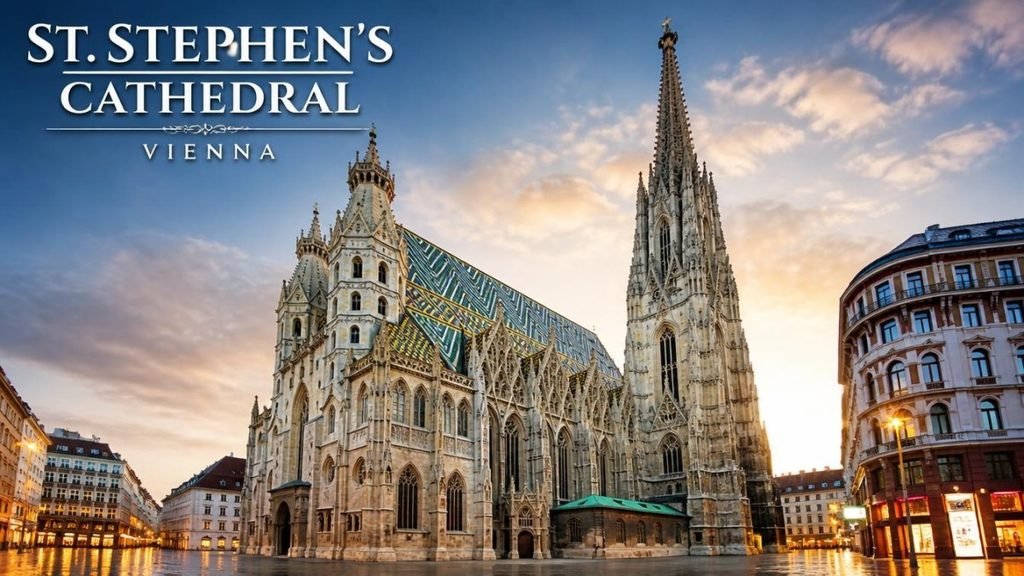
St. Stephen’s Cathedral stands in the center of Vienna and is one of the city’s most recognizable landmarks. Its detailed Gothic design and colorful roof make it an easy attraction to notice while exploring the surrounding streets.
You can enter the cathedral to admire its interior or explore the tower areas for views over the city. The square outside is also a convenient starting point for discovering the historic center.
Belvedere Palace
Belvedere Palace is a beautiful combination of historic architecture, gardens, and art collections. The complex includes Upper and Lower Belvedere, with the Upper Belvedere particularly well known for its collection of Austrian art.
One of its most famous works is Gustav Klimt’s The Kiss. Art enthusiasts often make this painting a priority, but the palace grounds are worth seeing even if you don’t plan to spend hours inside the museum.
Vienna State Opera
The Vienna State Opera is an important part of the city’s musical heritage. Its grand exterior makes it a worthwhile stop during a walk around the center.
If classical music interests you, check the performance calendar before your visit. Attending an opera can be a memorable way to experience Vienna’s cultural life. Guided tours may also be available on selected dates.
MuseumsQuartier and Kunsthistorisches Museum
MuseumsQuartier is a cultural area with museums, open courtyards, cafés, and places to sit and relax. It offers a different atmosphere from Vienna’s imperial landmarks and is worth including in your itinerary.
Nearby, the Kunsthistorisches Museum displays paintings and historical collections in an impressive building. Even visitors who aren’t regular museum-goers may appreciate its architecture and richly decorated interior.
Naschmarkt
Naschmarkt is a popular destination for anyone interested in food. Its stalls offer fresh ingredients, spices, snacks, and dishes from different culinary traditions.
It’s a good place to take a break from sightseeing and try something different. Visit during its operating hours, and remember that individual stalls and restaurants may follow different schedules.
Prater and the Giant Ferris Wheel
Prater is a large green space and entertainment area in Vienna. Its best-known landmark is the Giant Ferris Wheel, which has become one of the city’s recognizable symbols.
You can enjoy a ride for views across Vienna or simply spend time exploring the park. It is a nice alternative to a day filled entirely with museums and historic buildings.
More Places Worth Adding to Your List
If your schedule allows, consider visiting a few additional landmarks:
- Karlskirche: A beautiful Baroque church with a distinctive dome.
- Michaelerplatz: A historic square beside the Hofburg complex.
- Rathaus: Vienna’s impressive city hall and surrounding square.
- Volksgarten: A peaceful garden known for its roses.
- Hundertwasserhaus: A colorful building famous for its unusual design.
- Spittelberg: A charming area with small streets, cafés, and shops.
- Judenplatz: A historic square connected to Vienna’s Jewish heritage.
What to Eat in Vienna
Food is an important part of experiencing Vienna. The city has traditional Austrian restaurants, casual food stands, international dining options, and famous coffeehouses.
Here are a few local specialties worth trying.
Wiener Schnitzel: This traditional dish consists of a thin cutlet coated in breadcrumbs and fried until golden. It is commonly served with potatoes or salad.
Kaiserschmarrn: A sweet, fluffy pancake that is broken into smaller pieces and usually served with powdered sugar and fruit compote. It works well as a dessert or a filling snack.
Sachertorte: This well-known chocolate cake contains a layer of apricot jam and is covered with chocolate icing. It’s a popular choice in traditional Viennese cafés.
Würstelstand: These small sausage stands are part of everyday food culture in Vienna. They’re useful when you want something quick between sightseeing stops.
Traditional Coffeehouses to Visit
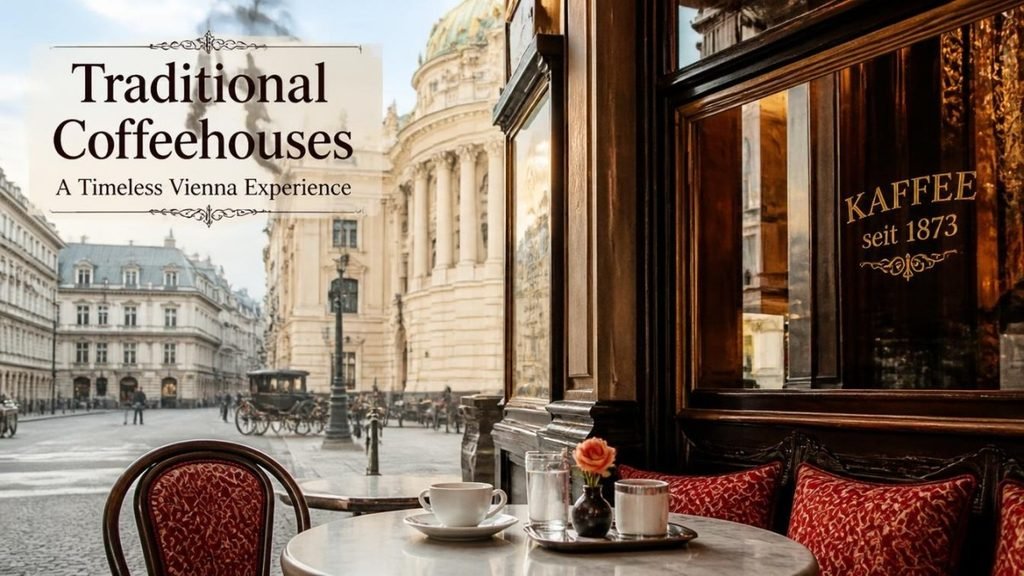
Traditional Viennese coffeehouse table with coffee and a slice of Sachertorte cake
Vienna’s coffeehouses are more than places to order a drink. They’re part of the city’s social and cultural identity. You can sit with a coffee, enjoy a pastry, read, or simply take a break from exploring.
Café Central is known for its historic setting, while Demel is famous for its pastries and cakes. Café Schwarzenberg is another traditional option worth considering.
You don’t need to visit every famous café. Choose one that fits your route and enjoy the experience without rushing.
Best Neighborhoods for Food and Cafés
Different parts of Vienna offer different dining experiences. Exploring beyond the historic center can help you discover more casual restaurants and local cafés.
- Innere Stadt: Suitable for traditional restaurants and historic coffeehouses near major attractions.
- Neubau: A good area for independent cafés, modern restaurants, and international food.
- Mariahilf: Offers shopping streets, relaxed cafés, and a variety of places to eat.
- Leopoldstadt: A useful choice for casual dining and visitors exploring the Prater.
- Wieden: Known for a pleasant neighborhood atmosphere and smaller cafés.
- Landstraße: Offers convenient dining options away from some of the busiest tourist streets.
If you have specific dietary requirements, check restaurant menus and ask staff about ingredients before ordering.
Best Day Trips from Vienna
Vienna is a convenient base for exploring other destinations in Austria and nearby countries. If you have an extra day or two, consider adding one of these trips.
Bratislava
Bratislava, the capital of Slovakia, is one of the easiest international day trips from Vienna. The journey is relatively short compared with many other destinations, and transport connections make a same-day visit possible.
Explore the old town, visit Bratislava Castle, and enjoy views of the Danube. You can also spend time in local cafés before returning to Vienna.
Wachau Valley
The Wachau Valley is known for its vineyards, historic towns, and scenery along the Danube River. Dürnstein and Melk are among the popular places to explore.
You can plan the journey using trains and local transport or choose an organized tour. The region is especially attractive during warmer months and autumn.
Salzburg
Salzburg is famous for its old town, historic architecture, and musical heritage. It is connected to Vienna by train, making it possible to visit without renting a car.
However, the journey takes longer than traveling to Bratislava. If you want to explore at a relaxed pace, consider spending a night there.
Hallstatt
Hallstatt is a picturesque village beside a lake, surrounded by mountains. Its beautiful setting attracts visitors throughout the year.
Traveling there from Vienna requires more planning and several hours of travel. An overnight stay can make the experience more comfortable than trying to fit everything into one day.
Is Vienna Expensive for Tourists?
Vienna can be costly, especially if you choose central hotels, dine at expensive restaurants, and visit several paid attractions. However, you can enjoy the city without spending money on every activity.
Consider staying in a well-connected neighborhood outside the historic center. Use public transportation instead of taxis, and mix restaurant meals with affordable food stands or casual cafés.
Many enjoyable experiences, such as walking through historic streets, exploring public squares, and relaxing in parks, don’t require an entrance ticket. Before visiting museums and palaces, compare ticket options and check whether discounts are available.
A little planning can make a noticeable difference to your overall travel budget.
Frequently Asked Questions About Vienna
How many days are enough to visit Vienna?
Three to four days are usually enough to explore the main attractions and enjoy the city’s atmosphere.
What is the easiest way to travel around Vienna?
The U-Bahn, trams, and buses provide convenient connections across the city.
What are the three must-see attractions in Vienna?
Schönbrunn Palace, St. Stephen’s Cathedral, and Belvedere Palace are excellent choices for first-time visitors.
What should I know before visiting Vienna?
Vienna uses the euro, public transport is reliable, and comfortable walking shoes are useful for sightseeing.
Which months are best for visiting Vienna?
May, June, September, and October are popular months for comfortable weather and sightseeing.
Where is the best place to stay in Vienna?
Innere Stadt is ideal for central sightseeing, while Neubau and Landstraße offer convenient alternatives.
Can you explore Vienna without a car?
Yes. The city’s public transport network and walkable central districts make car-free sightseeing easy.
Final Thoughts
Vienna offers much more than grand palaces and famous museums. Its historic streets, welcoming cafés, traditional food, and beautiful public spaces give visitors plenty of ways to enjoy the city at their own pace.
You can explore the main attractions without renting a car, thanks to convenient metro, tram, and bus connections. Plan three or four days if possible, choose accommodation near public transport, and leave some free time for discovering places along the way. With a balanced itinerary, your visit to Vienna can be both enjoyable and easy to manage.

Muhammad Asad Iftikhar Ansari is the founder of TheSmartRoutes, sharing practical Europe travel tips, itineraries, and budget guides to help travelers plan smarter trips.