
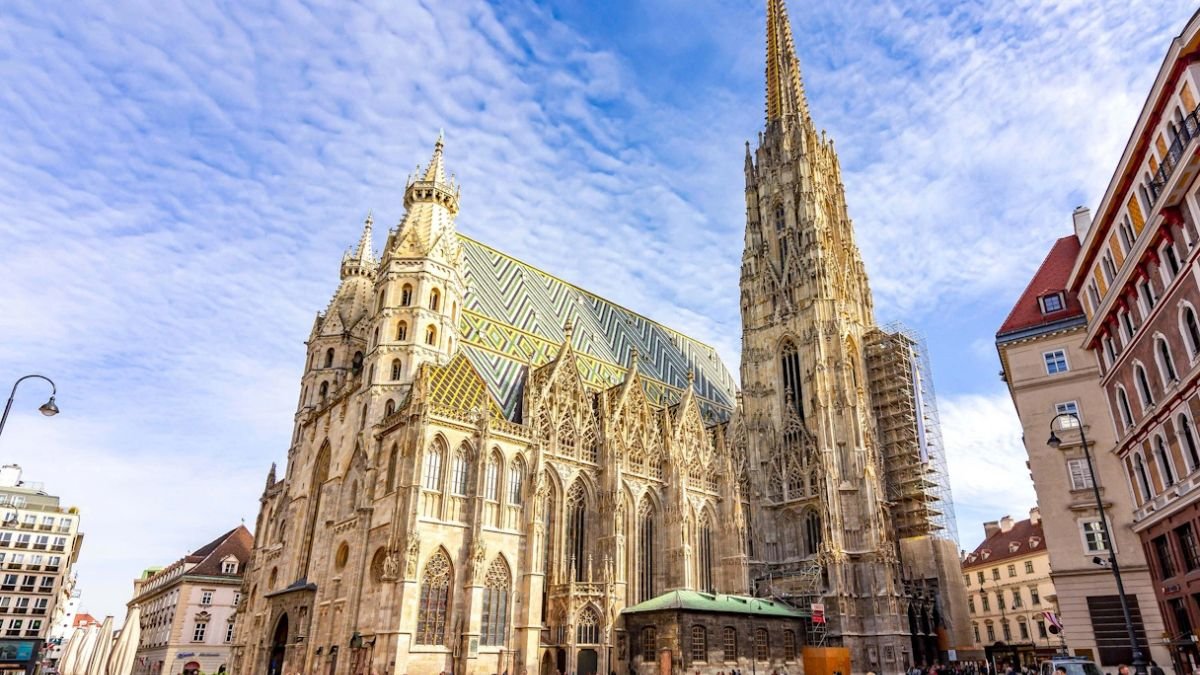
The first point of this car-free travel guide to Vienna is that you do not need a car here. Trams stop near every significant site, trains arrive in the countryside according to a rigid schedule, and the U-Bahn passes through the city in a matter of minutes. A number of shortcomings exist within the historic center, and parking is costly. However, most new arrivals fear the tickets, zones, and the transportation from the airport. Once you learn about how the system works, this problem will disappear quite quickly.
What kind of ticket should be used during your trip, how to validate it in order to avoid penalties, and how to reach your accommodation from the airport are all described below. Walking and cycling, late-night travel, and three convenient day trips using train or ferry will also be discussed. Lastly, some common mistakes of first-timers will be listed.
Why Vienna Is Easy to Explore Without a Car
Vienna is small but in the right spots. The Ringstrasse encircles the center of town, and most of the main points of interest are found on this street or very close to it. There are also trams, buses, and even some U-Bahn lines, so there is no need to expect to wait around for transport. The transport is available in the morning hours as well as late at night.
Here, driving is detrimental to you. Even residents are perplexed by one-way streets, garages are expensive, and street parking in the inner areas is charged and time-limited. Cafés, markets, and the gardens of palaces are only some of the best places to discover while walking. By taking advantage of this guide that recommends car-free sightseeing around Vienna, you will observe more, pay less, and feel much less stressed. That is why many residents decide to go without cars at all.
Getting Into the City From the Airport and Train Station
It is useful to have an idea about your options beforehand since the experience of the first trip can influence everything else. Those without cars will typically come to the Schwechat airport or the main station of Wien. Both connect directly to the city’s rail and public transport network. Neither requires a taxi, although a cab is fine if you arrive late with heavy bags. This part of our Vienna car free travel guide covers both arrivals.
From Vienna Airport to the Center
The S7 suburban train is the cheapest way into town. It will take you from the airport station to stations such as Wien Mitte, from where you may switch to the U3 or U4 lines. There are also faster ÖBB trains which will stop at Hauptbahnhof, and there are buses from the airport serving other parts of the city. Remember that a normal city ticket will not necessarily get you to the airport zone.
Arriving at Wien Hauptbahnhof
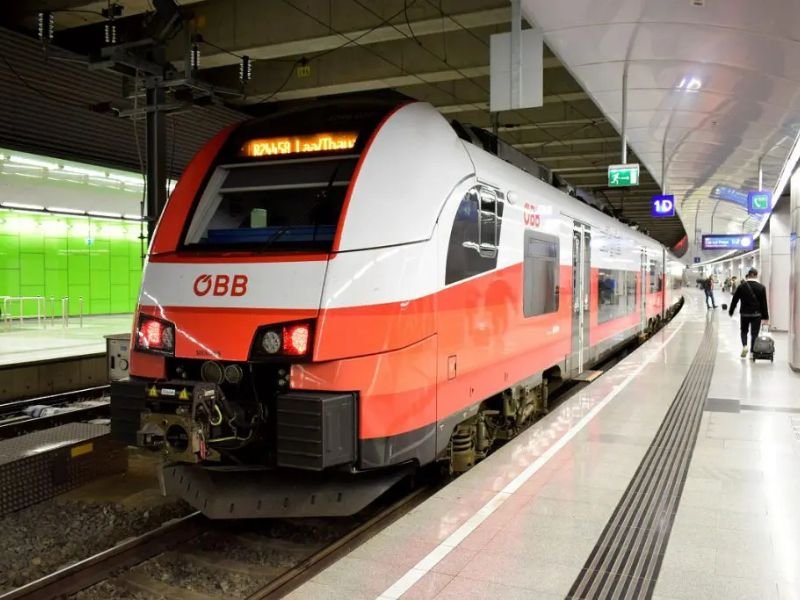
You will most likely arrive at Hauptbahnhof, Vienna’s major station, if you go by train. A number of bus and tram lines stop outside, and the U1 begins directly beneath. There are clear signs and an English option on the ticket machines. If you arrive in town prior to hotel check-in, use the lockers. Then just take the U1 towards Leopoldau, and you will be at the old town within a few minutes.
Public Transport in Vienna: U-Bahn, Trams and Buses
The first thing to consider in any guide for traveling around Vienna without cars is the public transport service which is provided by the Wiener Linien company. You can get one ticket which covers the entire trip through U-Bahn, trams and buses in the city. Therefore, you will not have to pay for each separate journey. The transport is often, comfortable and well marked. There are several stations such as Wien Mitte, from where you can switch to U3 and U4, including the station from the airport.
How the U-Bahn Works
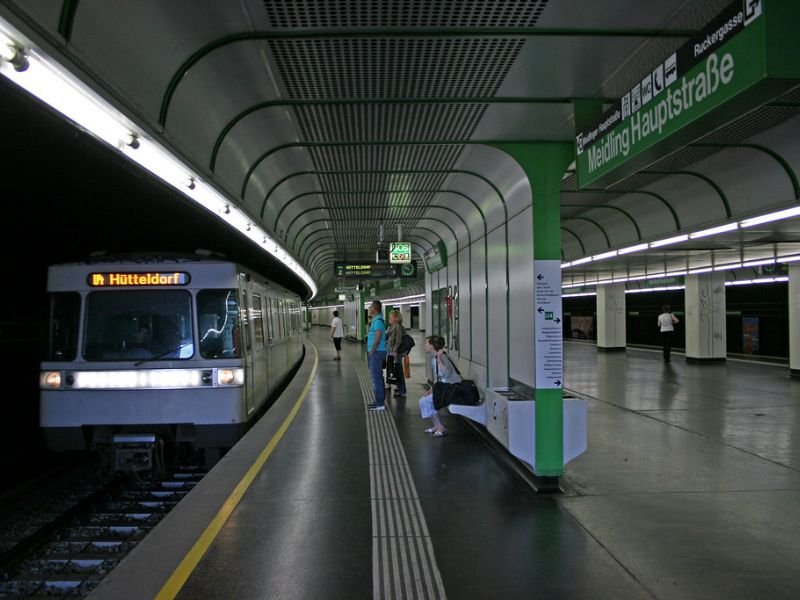
The U-Bahn system uses colors and numbers to differentiate the lines, which means all you have to do is know your line and where it ends. You’ll find the direction the train is going in by looking at its front or the signage on the platform. In the daytime, you can expect to wait for just a few minutes between the trains. There are maps, elevators, and easy exits to the street at the stations.
Trams and Buses for Sightseeing
Trams are the real stars for visitors. Lines 1 and 2 round the Ringstrasse, allowing you to pass the city hall, parliament, and opera theater without having to pay for a tour. U1 and U4 trains will take you to the Prater and Schönbrunn Palace respectively. Where rails can’t reach, there are busses to bridge that gap. Window seating in busses will make a single ticket act as your sightseeing tour.
Late-Night Travel in Vienna Without a Car
Do not be afraid of how to get back home after having dinner. There is no interruption in the work of the U-Bahn during Friday, Saturday and the eve of holidays. Otherwise, the last subway goes at midnight, and night buses replace them on the major lines. The most crowded areas are those places where the night lines merge. Before traveling, download the Wiener Linien application to make sure of your route.
Best Tickets and Passes for a Car-Free Vienna Trip
Selecting the right kind of ticket is both cost-effective and stress-free. The available options for getting around Vienna are single ride tickets, time-related tickets, and Vienna tourist card, which provides more discounts than others. All that matters is what type of ticket you should choose depending on the number of trips and duration of your stay in Vienna. Time-related tickets are a better choice compared to buying single tickets again and again for most people.
Single Tickets vs. Day Passes
A one-way ticket is appropriate for short stays with just a few rides, such as getting to the airport or taking a tour of one museum. Once there have been a few rides on one day, however, the 24-hour ticket becomes more economical and easier to handle. There are even 48- and 72-hour tickets available from Wiener Linien. These tickets begin once validated. So, only stamp your first ride if you really need it.
Multi-Day Passes and the Vienna City Card
A single ticket suits a short stay with only a couple of rides, like an airport run or one museum trip. After a few rides in one day, a 24-hour pass is cheaper and simpler. Wiener Linien also sells 48-hour and 72-hour options. These start counting from the moment you validate, not from midnight. So stamp your first ride only when you actually need it.
How to Validate Your Ticket and Avoid Fines
Vienna runs on trust, not turnstiles. Nobody blocks you at the gate, but inspectors do check, and a ticket you haven’t validated counts as no ticket at all. Paper tickets must be stamped in the machines before you enter the platform, or inside the tram or bus. Tickets bought in the app are validated within the app, so you can skip the machine. If you get caught, the fine is far higher than a fare.
Car-Free Vienna on Foot and by Bike
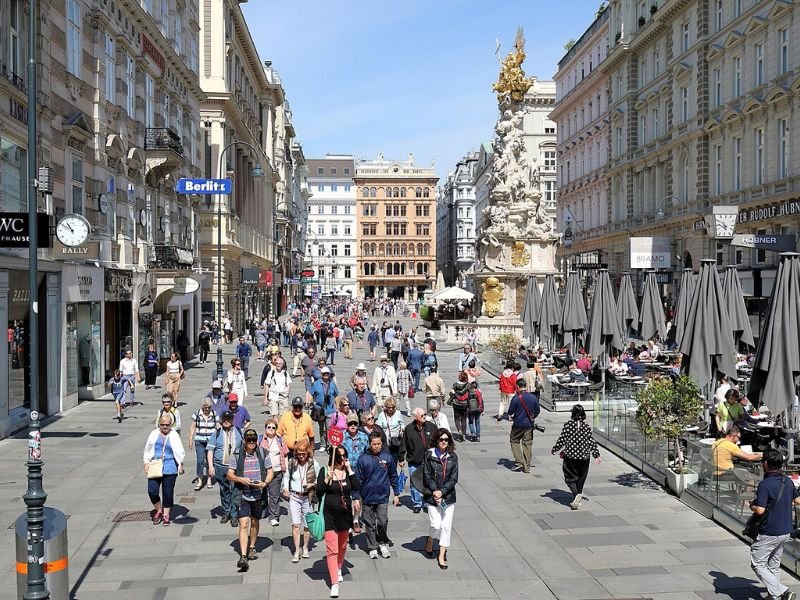
Walking is the best way to feel the city. The old center is small enough to cover on foot, and many streets around Stephansplatz are pedestrian-only. You can stroll from the cathedral to the Hofburg in about fifteen minutes, then wander on to the MuseumsQuartier. Wear comfortable shoes, since cobblestones are harder on feet than they look. And take your time, because the cafés are built for lingering. Cycling is a strong second choice. Vienna has a large network of bike lanes, and the Danube Island offers flat, traffic-free paths. Bike-share stations, like Citybike Wien, let you rent by the hour with a card or app. Always lock the bike properly and watch the lane markings, because pedestrians and cyclists share some paths. Combine a short ride with a tram trip, and you can cover a lot of ground.
Day Trips From Vienna Without a Car
Vienna sits on a great rail line, so day trips are easy and cheap compared with driving. Trains leave from several stations, and boats run on the Danube during the warmer months. Book early for Salzburg, since fares often drop when you buy ahead. Check your departure station too, as Vienna has more than one. A solid Vienna car free travel guide has to cover these trips, because they’re often the highlight.
Wachau Valley by Train and Boat

The Wachau is a wine valley of castles, apricot orchards and Danube views. Take a regional train to Krems, then continue by boat to Melk or Spitz, depending on the season. Rent a bike in town if you’d like to ride between villages. Plan a full day, since schedules thin out in the evening. Ruins like Dürnstein make a perfect lunch stop.
Salzburg by Train
Salzburg is about two and a half hours from Vienna by fast train, which makes it a long but doable day. Trains leave from Hauptbahnhof, and the old town is a short bus ride or walk from Salzburg’s station. Book an early departure and a late return so you get several hours in town. Fares vary a lot depending on how far ahead you reserve. If time is tight, stay overnight instead.
Bratislava by Train or Boat
Bratislava is the easiest international day trip from Vienna, at about an hour by train. Regional trains run several times a day. In summer, a fast boat travels along the Danube, which takes a bit longer but feels like a mini cruise. The old town is compact, so you’ll cover the main sights on foot. Bring your passport or ID card, even though border checks are rare.
Common Mistakes on a Car-Free Vienna Trip
The biggest mistake is skipping validation. Many visitors buy a ticket, forget to stamp it and then meet an inspector halfway through the ride. The second is buying single tickets all day, which adds up fast. A third is assuming the same ticket covers the airport, when it often doesn’t. Slow down for thirty seconds at the machine, and you avoid all three. Other slip-ups are smaller but still annoying. People forget that trains run less often late on weeknights, so they get stuck after a long dinner. Some pick a hotel far from a U-Bahn line to save money, then lose the savings in travel time. Others overpack, which makes stairs and tram steps painful. Choose a hotel near a station, pack light and screenshot your route. Those small habits turn any Vienna car free travel guide into a smooth trip.
FAQs About Vienna Car Free Travel Guide Planning
Can you visit Vienna without a car?
Yes, and it’s the easiest way to see the city. Our Vienna car free travel guide shows that public transport covers every district, the center is walkable, and trains link Vienna to nearby towns. You’ll save money on parking and fuel, and you won’t waste time hunting for a space. Most visitors never need a car for a standard city trip.
What’s the best ticket for tourists in Vienna?
It depends on your plans. For a short stay with many rides, a 24, 48 or 72-hour pass is usually best. If you also want museum discounts, consider the Vienna City Card. For one or two rides, a single ticket is enough. Compare current prices on the Wiener Linien website before you buy.
How late does public transport run in Vienna?
Most U-Bahn lines stop around midnight on weeknights, and night buses then cover the main routes. On Fridays, Saturdays and the night before public holidays, the U-Bahn runs all night. Trams and buses also keep reduced schedules. Check the Wiener Linien app for exact times, since schedules sometimes change.
Is it easy to get from Vienna Airport to the center without a car?
Yes. The S7 train and airport buses connect to the city, and ÖBB trains reach Hauptbahnhof. The ride takes roughly 25 to 40 minutes, depending on your route and destination. Buy a ticket that includes the airport zone before you board, because a standard city ticket may not cover it.
Can you take day trips from Vienna without a car?
Absolutely. Trains reach the Wachau Valley, Salzburg and Bratislava easily, and seasonal Danube boats add scenic options. Most day trips take one to three hours each way. Book popular long-distance trains ahead for lower fares, and check your departure station, because Vienna has several.
Is Vienna a walkable city?
Yes, especially the inner districts. The Ringstrasse, the old town and the museum area sit close together, so you can walk between major sights in minutes. Distances grow in outer areas like Schönbrunn, but a quick tram or U-Bahn ride solves that. Comfortable shoes are essential.
Final Thoughts on Vienna Car Free Travel
Getting around Vienna without a car isn’t just possible, it’s the smarter way to travel. This Vienna car free travel guide covered arrival options, the right tickets and the stamping habit that keeps you fine-free, plus walking, biking and easy day trips. The system rewards a little planning and gives you more time and money back. Pick your pass, download the Wiener Linien app and choose your first day trip. Then leave the rental counter behind and start exploring.

Muhammad Asad Iftikhar Ansari is the founder of TheSmartRoutes, sharing practical Europe travel tips, itineraries, and budget guides to help travelers plan smarter trips.
3 thoughts on “Vienna Car Free Travel Guide: How to Get Around Without Renting a Car”